How to read a CBD study before you believe the headline
Most CBD research is small, short, and uses doses far above retail products. Six checks that separate a finding from a press release.
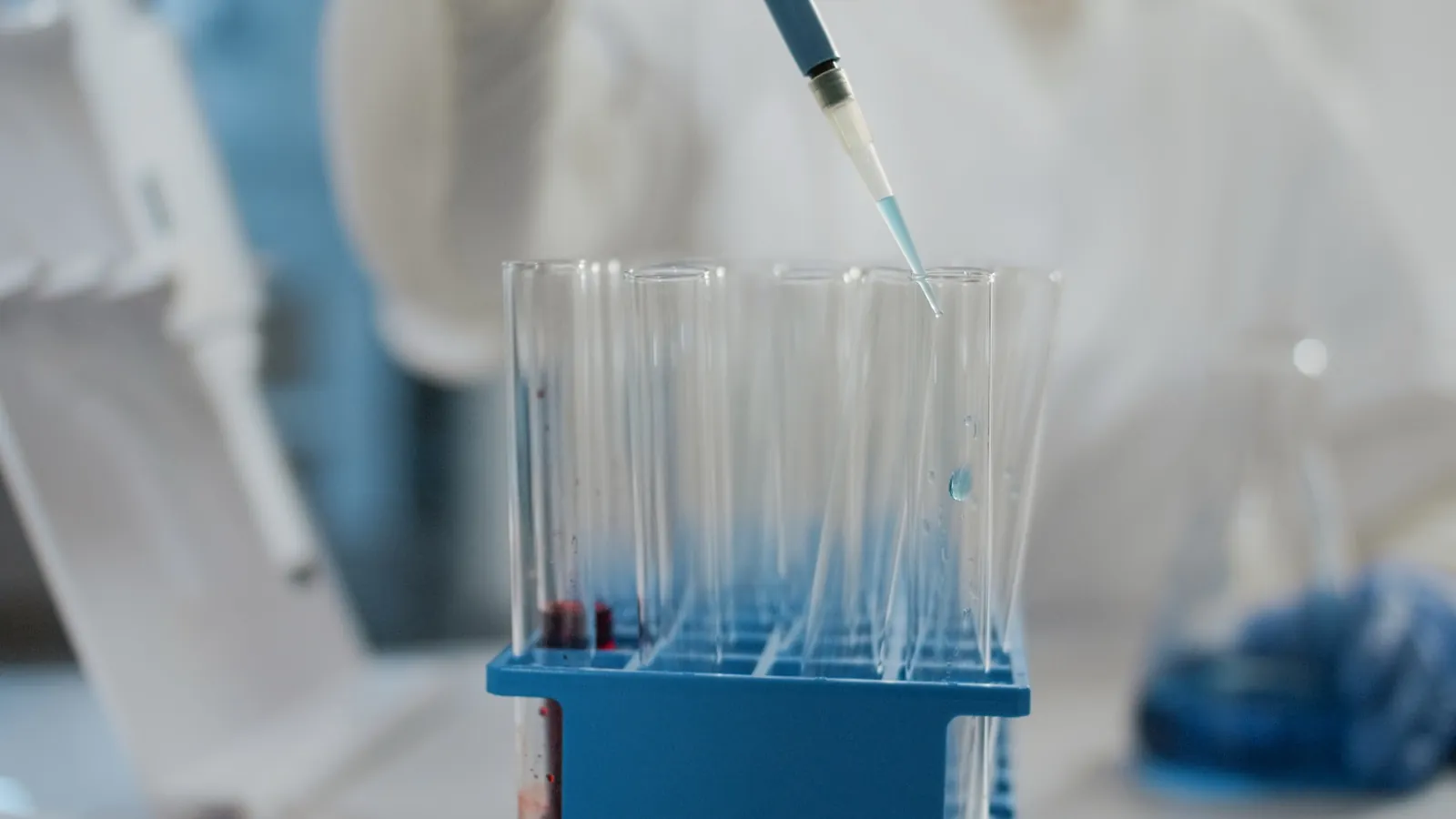
A researcher transferring liquid with a micropipette.
Cannabinoid research is a young field carrying an unusually heavy marketing load. Studies get compressed into product copy within days, and the compression reliably drops the parts that determine whether the finding means anything.
Here is the sequence we use before citing anything.
1. Dose, and how it compares to the shelf
This is the single most common gap. Clinical CBD research frequently uses doses an order of magnitude - sometimes two - above what a retail tincture delivers per serving. Epidiolex, the approved CBD drug, is dosed by body weight into a range no consumer product approaches.
A study showing an effect at a pharmaceutical dose says very little about a 15 mg serving. If the dose is not stated in the abstract, get the full text before believing anything.
2. Sample size and duration
Much of the literature is small and short. An eight-person crossover trial over two weeks is a legitimate contribution to a research program and a terrible basis for a health claim. Ask:
- How many participants completed, not how many enrolled?
- Over what period? Chronic-use questions are not answered by acute-dose studies.
- Was there a control arm and was it blinded?
3. Species and setting
Rodent and in-vitro findings are the foundation of the field, and they are routinely reported as though they were clinical results. A compound that reduces inflammatory markers in cell culture has cleared the first of many hurdles, not the last one.
4. Endpoint substitution
Watch for a shift between what was measured and what is claimed. A study measuring a biomarker is not a study measuring symptoms. A study measuring self-reported sleep latency is not a study measuring sleep architecture. The headline usually reports the more interesting endpoint, not the one the study powered for.
5. What was actually administered
“CBD” in a study may mean isolated CBD, a full-spectrum extract, or a formulated pharmaceutical. These are not interchangeable. Full-spectrum extracts contain minor cannabinoids and terpenes whose contribution is a live research question - which cuts both ways: it is also why full-spectrum results cannot be attributed to CBD alone.
Also check whether the administered product was independently verified for content. Studies using unverified commercial products inherit that product’s label accuracy problem.
6. Who funded it, and what the registry says
Industry funding does not invalidate a study, but it belongs in the read. More useful: check whether the trial was pre-registered and whether the reported primary endpoint matches the registered one. A changed primary endpoint after data collection is a significant caution flag.
There is one CBD medicine approved for specific seizure disorders after conventional trials. Beyond that, the evidence base is early: promising signals, small studies, wide dose ranges, and few long-term safety data. Regulators citing safety questions around long-term use - liver effects, drug interactions - are pointing at real gaps in the literature, not inventing them.
What this means for how we write
We will report findings and their limits in the same sentence where we can. If a study is small, we will say the number. If a dose is not achievable in a consumer product, we will say so. And where the evidence does not support a conclusion yet, “not yet established” is the finding we will print - it is more useful than a hedge dressed up as a result.
Editorial content only. This article is reporting and analysis, not medical, legal, or investment advice. Hemp and CBD regulations differ by state and change frequently. Verify current rules in your jurisdiction before making decisions.