What a per-container THC cap does to a product line
The 0.4 mg limit is a packaging constraint as much as a chemistry one. Working through which SKUs survive it, and what reformulation actually costs.
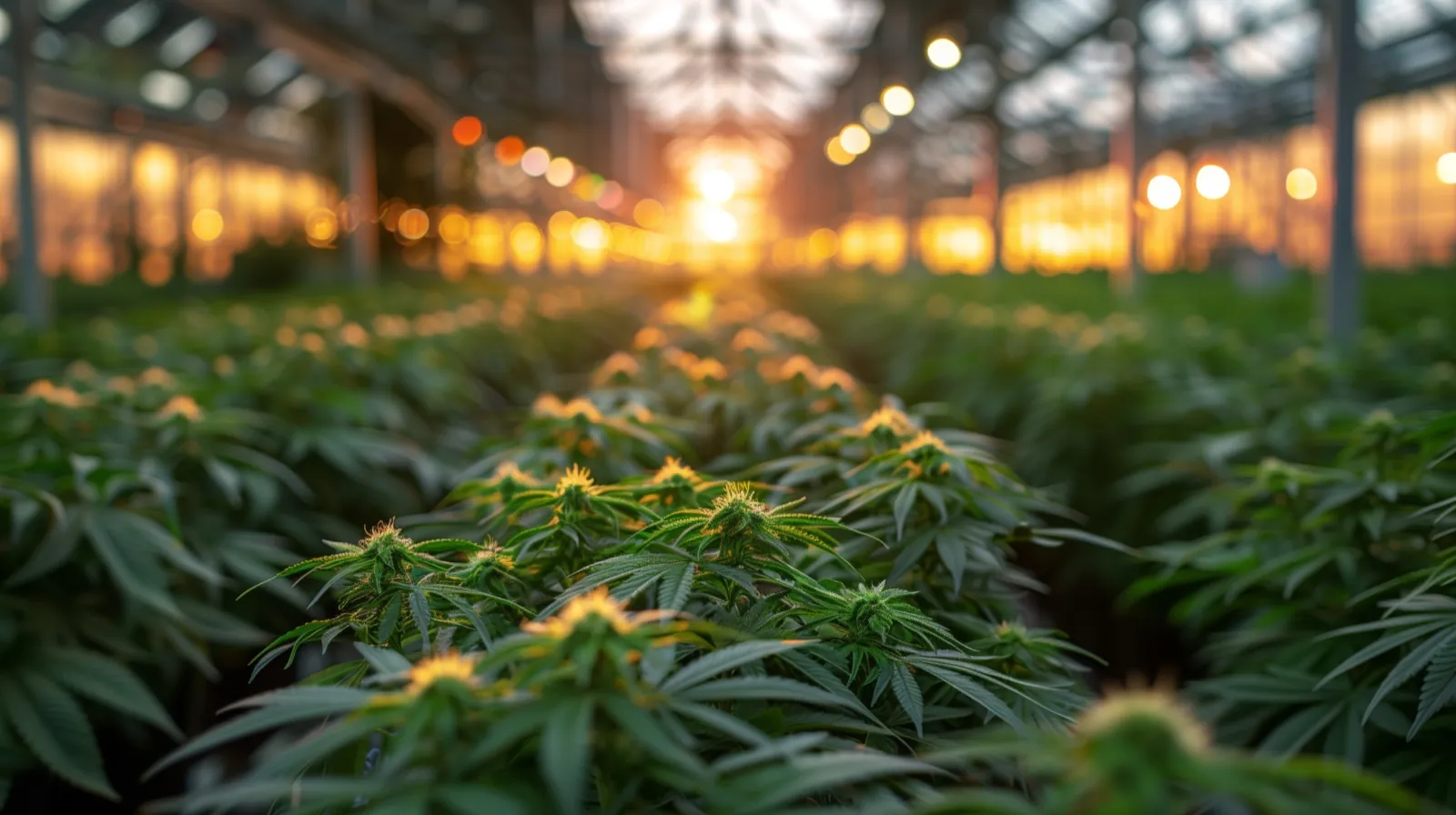
An automated greenhouse growing hemp under evening light.
Most coverage of the November change has focused on intoxicating cannabinoids - delta-8 gummies, high-THCA flower. That framing understates the reach of the second provision. A cap of 0.4 mg total THC per container is indifferent to intent. It measures the package.
Concentration limits and container limits behave differently
A concentration limit is scale-invariant. If your extract is compliant at 0.3% total THC, it is compliant in a 15 mL bottle and a 120 mL bottle alike.
A per-container limit is not. The same compliant extract crosses 0.4 mg total THC at some fill volume, and every product larger than that volume fails - while a smaller version of the identical formulation passes.
That inverts a normal commercial instinct. Larger sizes usually mean better margin and better value perception. Under a per-container cap, larger sizes are the higher-risk SKUs in the line.
Four levers, and what each costs
1. Shrink the container. Fastest path, no reformulation. Costs you the value-size SKU and the margin structure built on it, plus new packaging tooling and label artwork.
2. Reduce trace THC in the extract. Move full spectrum toward broad spectrum through additional remediation. Preserves format and size; adds a processing step, yield loss, and cost per kilogram - and forfeits the full-spectrum marketing position.
3. Reformulate to isolate. Lowest regulatory exposure, highest product-identity cost. For brands whose entire positioning rests on whole-plant extract, this is a repositioning, not a reformulation.
4. Exit the affected formats. Concentrate on categories with less exposure - topicals, isolate-based products, or non-cannabinoid hemp lines.
Packaging tooling, label print runs, reformulation stability testing, and retail resets all have lead times measured in months. The runway to November 12 is shorter than the sum of those steps for most operators, which means decisions get made on incomplete regulatory detail or not at all.
Where the pressure lands in the chain
- Extractors face demand shifting from full-spectrum toward remediated and isolate output - a different equipment and yield profile, not just a different order mix.
- Contract manufacturers absorb reformulation work at short notice, and carry the stability-testing burden for changed formulations.
- Brands own the inventory risk on non-compliant finished goods and the cost of packaging changes.
- Retailers decide what to keep on shelf ahead of the date, and typically decide early - shelf resets precede deadlines rather than following them.
The retailer decision is the one that tends to arrive first and hurt most. Delisting decisions get made on risk tolerance, not on a legal reading, and they can precede the effective date by a full buying cycle.
What we cannot tell you yet
Two things are genuinely unresolved, and anyone stating them confidently is guessing:
- Existing inventory. Whether product manufactured before the effective date has any sell-through allowance is not settled by the statute text.
- Measurement methodology. How total THC is to be determined in a finished, formulated product - as opposed to raw plant material - is an implementation question that agencies have not fully answered.
Both change the cost of every option above. We will update this piece as guidance lands rather than fill the gap with speculation.
Editorial content only. This article is reporting and analysis, not medical, legal, or investment advice. Hemp and CBD regulations differ by state and change frequently. Verify current rules in your jurisdiction before making decisions.