Internal reference
Brand guide
The palette is sampled directly from the site's source photography rather than picked in the abstract, so imagery and interface never fight each other.
Mark
A single abstracted leaflet in a rounded square. Deliberately not a seven-point cannabis fan leaf - that silhouette is the strongest visual trigger for recreational-drug classification, which suppresses ad demand and reads as a dispensary rather than a trade publication.
Palette
Amber is an accent, never a surface. It appears as the active-nav underline, callout borders, and pull-quote rules - roughly 5% of any given page.
Typography
| Role | Family | Notes |
|---|---|---|
| Headlines | Iowan Old Style / Palatino | Serif signals editorial authority; tight tracking at large sizes. |
| Body & UI | System sans stack | 17px base, 1.65 line height, 68ch measure. |
| Kickers | Sans, uppercase | 0.78rem, 0.06em tracking. Category + date only. |
Both stacks are system fonts - zero webfont requests, no layout shift, no third-party origin. Swap in a licensed serif later without touching component markup.
Art direction

Golden-hour field - the palette source. Warm sky, deep green mass. 
Amber glass, hard directional light, generous negative space. 
Testing and QC. Evidence, not wellness clichés. 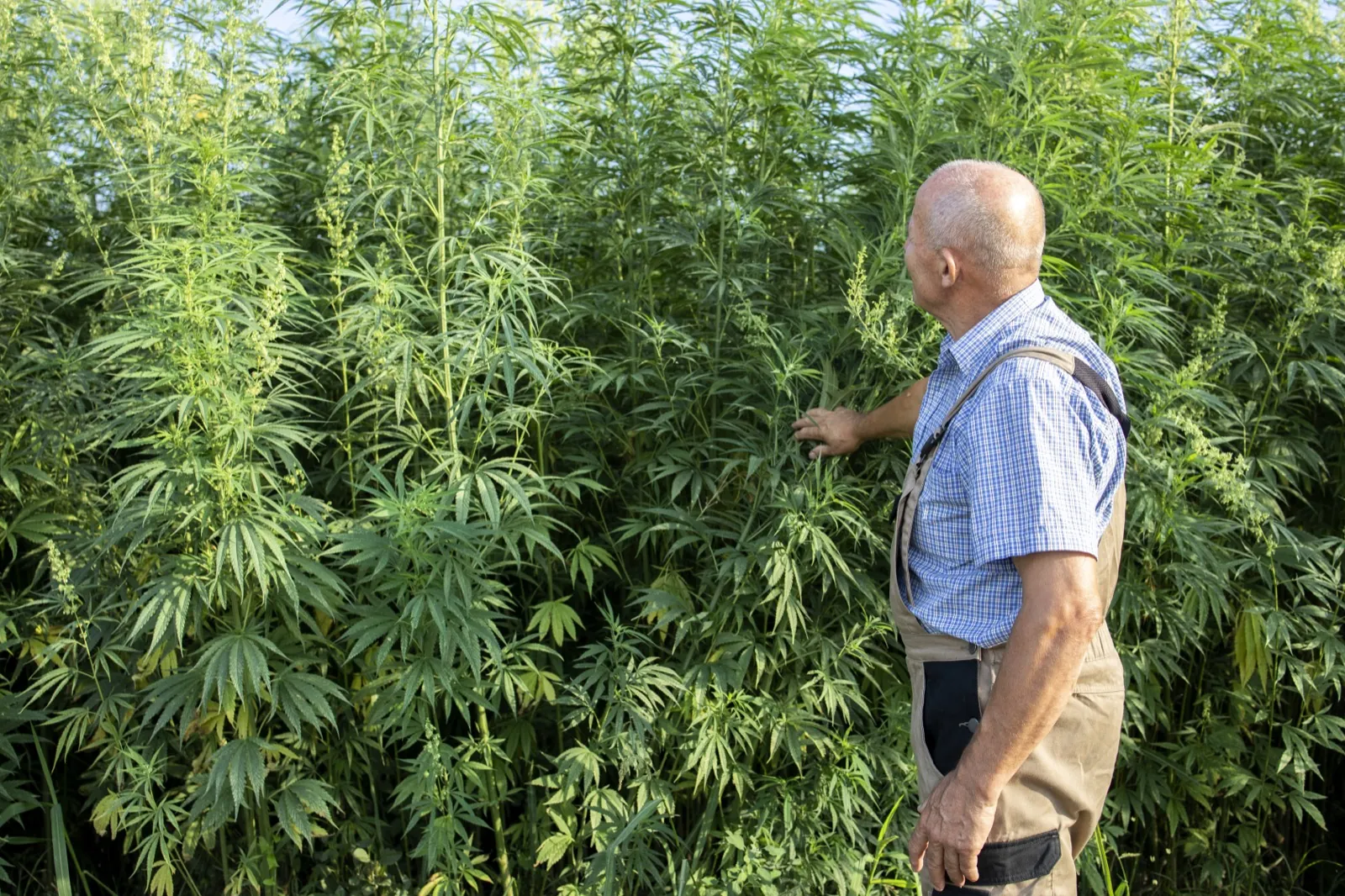
People at work. Agriculture framing over consumption framing. 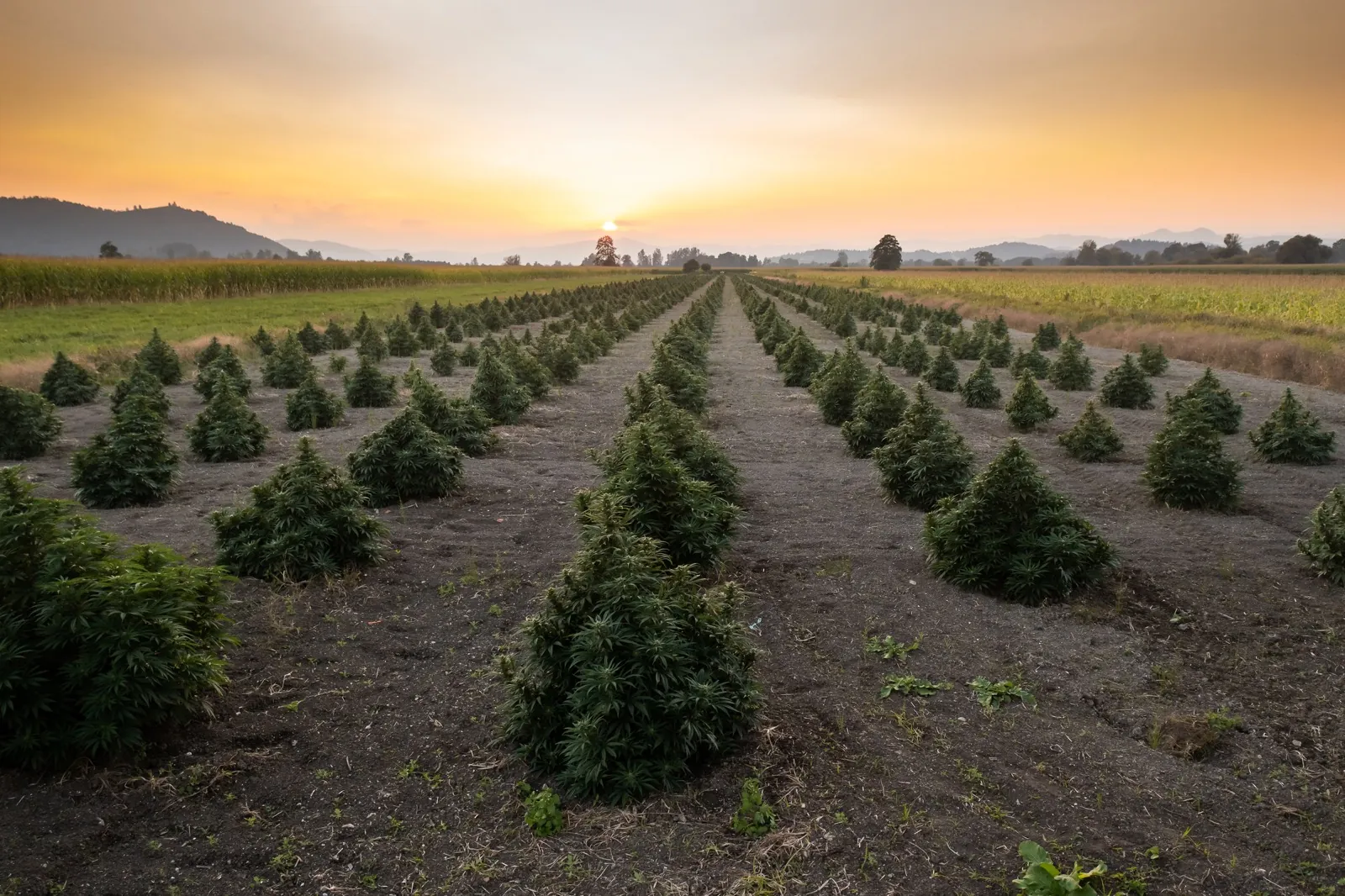
Scale and industry - acreage reads as a market, not a product. 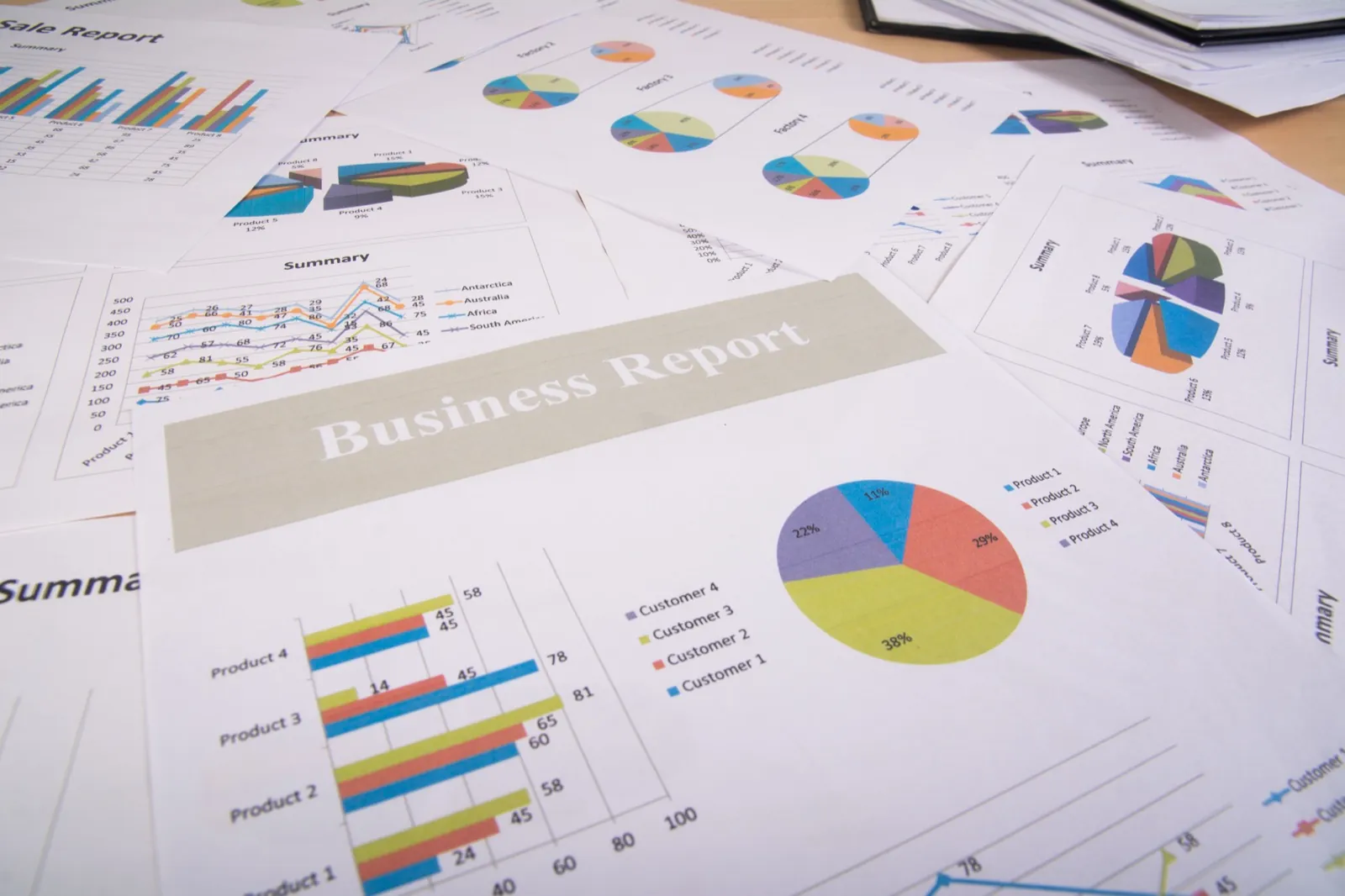
Documents and data for policy and market stories.
Photograph the industry, not the high: fields, greenhouses, labs, bottles, supply chains, and people at work. Avoid bud macros, smoke, rolling papers, and tie-dye green. This is a brand decision and an ad-revenue decision at the same time - imagery is one of the signals that determines whether a page gets labeled restricted inventory.
Voice
- Measured, not promotional. Report what is measurable and attribute the rest.
- No health claims. Describe what studies found and their limits.
- Name the uncertainty. "The data does not show this yet" is a valid finding.
- Plain words. Define jargon on first use; assume an informed but non-expert reader.